
Living with IBD can be like walking a tightrope – every step should be carefully thought out to avoid falling. However, when you reach a state of remission, you can breathe a sigh of relief. That doesn’t mean you should stop being careful with your diet. On the contrary, it is important to maintain healthy eating habits during this period to help you maintain good health. In this article, I’ll offer some tried-and-tested advice and eating tips for IBD patients in remission, including suggestions for delicious and nutritious meals for breakfast, lunch, and dinner.
Dietary advice for IBD patients in remission
- Focus on variety. This will help ensure that your body is getting all the nutrients it needs.
- Choose low-fiber foods: Although fiber is important for a healthy digestive system, it can be problematic for IBD patients. During periods of remission, it is recommended to consume lower-fiber foods that are easier to digest.
- Hydration is key: Drink plenty of water. Dehydration can worsen IBD symptoms and lead to further complications. However, avoid excessive intake of caffeine and alcohol, which can irritate the digestive tract.
- Some IBD patients may be sensitive to lactose. Try lactose-free options or monitor your intake of conventional dairy products to see what your body tolerates.
- Protein is important for tissue repair and muscle maintenance. Try lean meats, fish, eggs or tofu as your main source of protein.
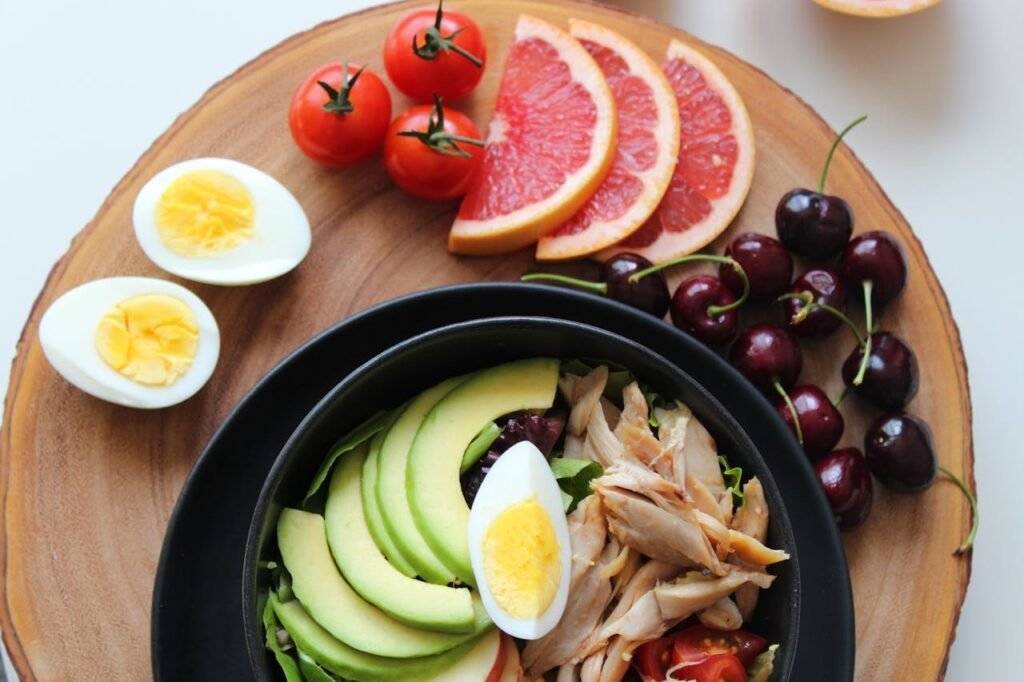
Breakfast foods:
- Oatmeal with banana and almond butter. The almond butter will provide healthy fats.
- Use lactose-free yogurt if you are lactose sensitive, and add honey for natural sweetness and peaches as a source of vitamins.
- Soft-boiled eggs with avocado: Eggs are an excellent source of protein, and avocado adds healthy fats and fiber.
- Mix frozen berries, spinach, almond milk and a little honey for a refreshing and nutritious smoothie.
- Gluten-Free Toasted Tuna: Gluten-free toasted bread with tuna can be a great option for a light but filling breakfast.
Meals for lunch:
- Chicken breast with grilled vegetables: Chicken breast is easy to digest and can be combined with grilled zucchini, peppers and eggplant.
- Rice noodles with prawns: Rice noodles are easy to digest, and when you combine them with prawns and vegetables, you get a nutritious lunch.
- Salmon with spinach salad: Salmon is a source of omega-3 fatty acids, which are beneficial for heart health, and spinach provides iron.
- Quinoa with turkey and roasted pumpkin: Quinoa is an excellent source of protein, and roasted pumpkin adds sweetness and vitamins to the dish.
- Carrot and Ginger Soup: This soup is light, nutritious, and the ginger adds a subtle spicy touch.
Dinner dishes:
- Roast chicken with rosemary and lemon: A simple dish that is flavorful and easy to digest. Serve with steamed broccoli.
- Beef medallions with zucchini puree: Beef is a source of iron, which is important for energy metabolism.
- Vegetable risotto: Use Arborio type rice and add peas, carrots and mushrooms for a tasty and filling meal.
- Tofu stir-fry.
- Cod in butter with herbs: Cod is a delicate fish that is rich in protein, and the addition of herbs enhances its flavour profile.
Eating with IBD in remission can be a challenge, but with a little planning you can create a diet that will support your health and improve your quality of life. Remember that every patient is unique, so it’s important to monitor how your body reacts to each food and adjust your diet accordingly.